
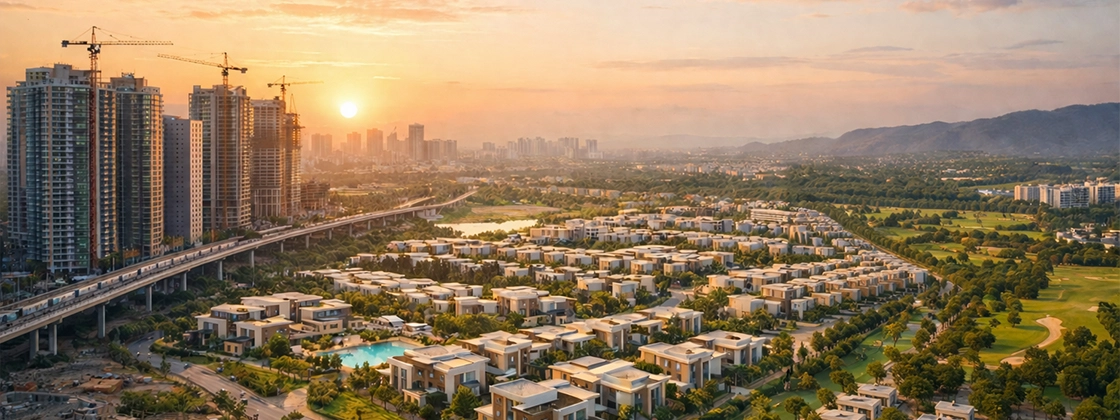
Open Spaces in Residential Projects are redefining luxury in the rapidly evolving urban landscape of 2026, where the focus has shifted from gold-plated faucets to the value of “breathing room.” As the Mumbai Metropolitan Region (MMR) becomes more densified, the psychological and physical value of open spaces has transitioned from a premium amenity to a non-negotiable health requirement. For the modern homebuyer, a residence is no longer just the four walls of an apartment; it is the entire ecosystem that surrounds it.
Investing in a project that prioritizes landscape architecture isn’t just a lifestyle choice—it’s a strategic move for long-term well-being and capital preservation.
Wellness & Health – The Power Of Open Greenery
The primary driver behind the surge in demand for high-ratio open land parcels is the direct impact on mental and physical health. Living in “concrete jungles” has been scientifically linked to higher stress levels, whereas access to manicured gardens and recreational zones acts as a natural stress-buster.
- Improved Air Quality: Expansive green covers act as natural carbon sinks, filtering urban pollutants and providing a refreshing micro-climate within the gated community.
- Active Lifestyle Integration: Dedicated jogging tracks, yoga pavilions, and reflexology paths encourage a sedentary workforce to move, reducing the risk of lifestyle-related ailments.
- Psychological Sanctuary: The visual “break” provided by open horizons reduces mental fatigue, fostering a sense of tranquility that is often missing in city life.
Open Spaces In Residential Projects – Boosting Real Estate Value
From an investment standpoint, the importance of open spaces in residential projects cannot be overstated. Properties that boast 60% to 70% open areas consistently outperform dense developments in terms of price appreciation and rental yields.
The Appreciation “Green” Premium
When a developer allocates significant land to non-saleable areas like parks, themed gardens, and water bodies, it creates an element of “scarcity value.” In secondary markets, apartments overlooking central greens or podium amenities command a premium of 15–20% over those facing the street. Buyers are increasingly willing to pay more for the “view” and the “ventilation” that only low-density planning can provide.
Fostering Community – Social Benefits Of Large Commons
Human beings are inherently social creatures. The modern residential layout recognizes this by providing “social anchors”—places where neighbors become friends and children find playmates.
- Children’s Development: Safe, vehicle-free play zones are essential for the motor-skill development and social growth of the younger generation.
- Senior Citizen Zones: Quiet, shaded seating areas allow the elderly to socialize in a secure environment, preventing the isolation often felt in high-rise living.
- Event Celebrations: Large multipurpose lawns serve as the heart of the community for festivals, gatherings, and fitness workshops, enhancing the overall living experience.
Sustainable Urbanism & Environmental Resilience
Beyond the immediate aesthetic appeal, open spaces play a critical role in the environmental sustainability of a housing complex.
Eco-Friendly Impact of Residential Open Areas
Thoughtfully designed landscape projects integrate rainwater harvesting pits and permeable paving, which help in recharging the local groundwater table. Furthermore, the “urban heat island” effect—where buildings trap heat—is significantly mitigated by the presence of trees and grass, naturally lowering the temperature of the entire complex and reducing the energy load on air conditioning systems.
What To Look For In A Green Project
Before finalizing your next real estate acquisition, ensure the project ticks these essential “Space Boxes”:
- Floor Space Index (FSI) Balance: Check if the developer has utilized the FSI in a way that allows for wide internal roads and sprawling podiums.
- Cross-Ventilation: Ensure the towers are spaced far enough apart to allow natural wind corridors to flow through the residences.
- Natural Illumination: High-rise clusters should be designed to prevent “shadowing,” ensuring every unit receives ample sunlight throughout the day.
- Buffer Zones: There should be a clear distinction between active zones (playgrounds) and passive zones (meditation corners).
The Future of Urban Living Is “Open”
As we look toward the future of the MMR property market, the “Value Proposition” has clearly moved toward holistic environments. A home is an investment in your future self. By choosing a project that respects the need for space, light, and air, you are securing a legacy of health for your family and a high-performing asset for your portfolio.
Experience The Luxury Of Open Living Today
Are you ready to trade the cramped city life for a sanctuary of space and serenity? Our consultants are ready to walk you through the most prestigious green-centric developments in Navi Mumbai. Discover homes where nature and architecture exist in perfect harmony.
Connect with our Senior Property Strategist: +91 8624040557
Explore Our Vision of Green Living: www.imperialbuildcon.in/projects/alliance-sapphire