
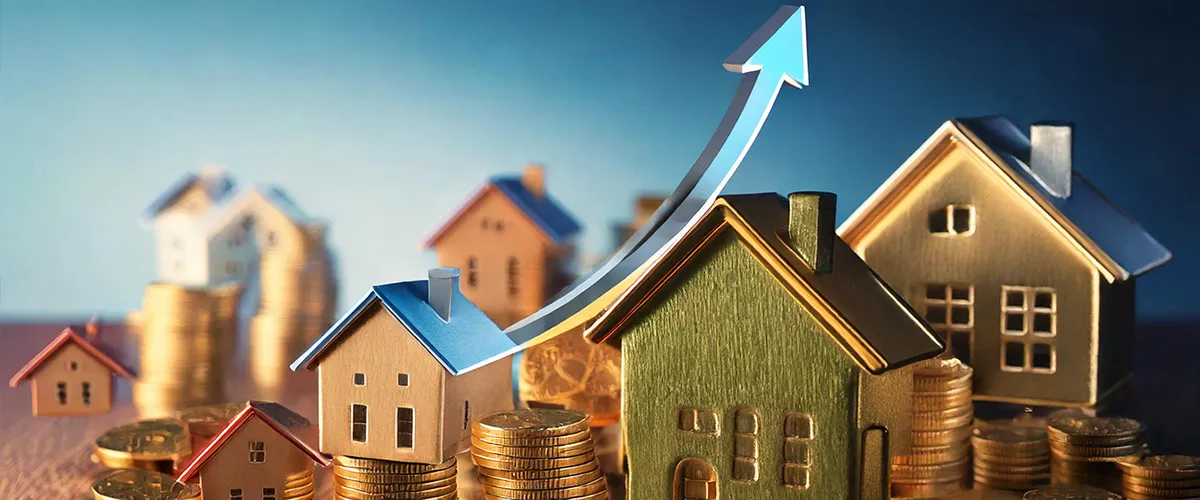
In 2026, infrastructure development has become the strongest driver of real estate growth across Mumbai’s suburban belt, especially in fast-growing pockets like Nalasopara, Virar, and Vasai. What was once considered a distant and budget-focused housing zone is now turning into a structured investment corridor.
With new transport upgrades, road expansions, and civic improvements, residential demand is rising steadily every month. For homebuyers and investors, infrastructure is no longer just convenience, it is a direct signal of property appreciation.
Connectivity Expansion Reshaping Investment Decisions
Improved connectivity is the first and most powerful trigger of real estate growth in suburban Mumbai.
Key infrastructure changes influencing demand:
- Upgraded Western Railway network improving daily commute efficiency
- Proposed metro expansion improving east-west connectivity
- Road widening projects linking Virar–Nalasopara–Vasai belt
- Better feeder transport and last-mile connectivity systems
These developments are reducing travel stress and bringing Mumbai’s employment hubs closer in practical terms. As commute time reduces, residential demand automatically increases.
Rise of Strong Micro-Markets Along Suburban Belt
Infrastructure growth is not uniform. It creates high-demand micro-markets where property values rise faster than surrounding areas.
Nalasopara and nearby regions are gaining attention because:
- They sit between major railway hubs like Virar and Vasai
- They offer lower entry pricing compared to Mumbai city and Thane
- They benefit directly from infrastructure spillover growth
- They attract steady end-user demand from working professionals
This is creating consistent price appreciation and faster absorption of new residential units.
Impact on Property Prices and ROI Growth
Infrastructure development directly affects property appreciation. As connectivity improves, land value increases and demand accelerates.
Key investment indicators:
- Gradual rise in per sq ft pricing across suburban corridors
- Strong rental demand from Mumbai working population
- Faster resale movement for well-located properties
- Increased interest from first-time homebuyers and investors
Many investors now track infrastructure announcements as early signals of price growth.
Lifestyle-Driven Housing Supporting Infrastructure Growth
Modern residential developments are complementing infrastructure expansion by offering upgraded lifestyle features.
Today’s housing demand is not just about location, but also about living standards.
Common features in new projects include:
- Spacious 1 & 2 BHK layouts with optimized carpet planning
- EV charging stations for future-ready mobility
- Fitness zones, yoga decks, and landscaped gardens
- Kids play areas and indoor recreation spaces
- 24×7 security systems and power backup
This shift shows how infrastructure and lifestyle development are growing together.
Developer Credibility and Buyer Confidence
Infrastructure-driven markets rely heavily on trust and transparency.
Leading developers in the region are focusing on:
- RERA-registered projects ensuring legal safety
- Clear possession timelines and documentation
- Structured payment plans for middle-income buyers
- Quality construction and long-term livability
This reduces buyer hesitation and increases investment confidence in suburban areas.
Buyer Concerns Are Slowly Getting Resolved
Earlier, buyers avoided suburban locations due to distance and uncertainty. In 2026, those concerns are being actively addressed.
Major improvements include:
- Faster travel options through railway upgrades
- Better road connectivity across suburbs
- Increasing availability of schools, hospitals, and retail
- Improved civic infrastructure and planning
As a result, buyer sentiment has shifted from hesitation to active investment interest.
Growing Demand from Working Families
Most demand in these suburban micro-markets comes from practical homebuyers.
Typical buyer profiles include:
- Mumbai-based employees looking for affordable housing
- First-time homebuyers upgrading from rentals
- Small business owners seeking long-term assets
- Investors targeting rental income and capital growth
1 and 2 BHK homes remain the most in-demand segment due to affordability and liquidity.
Market Sentiment and Buyer Activity
Local real estate agents and channel partners report strong momentum in inquiries and site visits.
Key trends:
- Faster booking decisions compared to previous years
- High interest in under-construction properties
- Focus on RERA-approved developments
- Preference for EMI-friendly payment structures
Google Business listings and digital property platforms also show rising engagement from buyers, indicating strong market confidence.
RERA Transparency Strengthening Trust
RERA has played a major role in improving investor confidence in suburban real estate.
Benefits include:
- Legal protection for buyers
- Defined delivery schedules
- Reduced risk in project execution
- Transparent financial structure
This regulatory system has made suburban property investment safer and more predictable.
Conclusion
Infrastructure is no longer a future promise in Mumbai’s suburban real estate market. It is a present-day growth engine driving demand, appreciation, and investor confidence.
Areas like Nalasopara, Virar, and Vasai are becoming strong residential investment zones due to continuous connectivity upgrades and lifestyle improvements.
For investors and homebuyers, this is still an early growth phase where pricing remains attractive and future appreciation potential is strong.
INVEST WHERE INFRASTRUCTURE MEETS GROWTH
The best time to invest in suburban Mumbai is before the full infrastructure impact is reflected in property prices.
Contact: +91 9834553949
Website: https://www.imperialbuildcon.in/porjects/sokha-sandstone